
11/12/2025
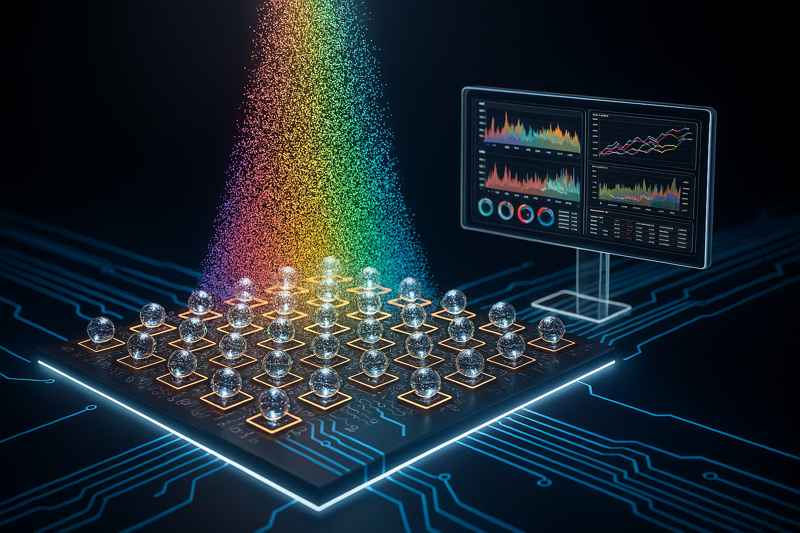
There is a panoramic of the main instruments that we can develop starting from QDs:
- Photodiodes
A photodiode is a device that turns light into electricity. When light hits it, tiny charges are created. An internal electric field inside the photodiode helps separate these charges so they can produce current. This electric field comes from the way the layers of materials are arranged. Photodiodes have low dark current and fast response times, and for this reason are the most common photodetector type used for most applications, especially commercial QD-based image sensors.


2. Phototransistor
Phototransistors are an advanced type of photoconductive devices. They work like basic light-sensitive devices but add a control electrode (called a gate) that makes them more powerful, allowing higher signal amplification without slowing down the response. New materials like graphene and MoS₂ can be combined with quantum dots to make these sensors even faster and more sensitive.
3. Scintillator
Scintillators are used for X-ray detection in medical and industrial applications and function by absorbing high-energy X-rays and re-emitting visible photons that can be efficiently detected by conventional photodiodes and image sensors. Perovskite QDs have proven to be excellent materials for this type of sensing due to a higher scintillation yield and fast response times, and commercialization of this technology is in progress (e.g., by Quantum Solutions).


4. Other light sensing techniques
Fluorescence-based biosensing was the first commercial product based on colloidal QDs and continues to play a dominant role in this area. QDs have the advantage of narrow emission linewidths, high molar extinction coefficients, broad absorption spectrum, and greater resistance to photobleaching compared to organic dyes.
Quantum Dots technology in everyday life

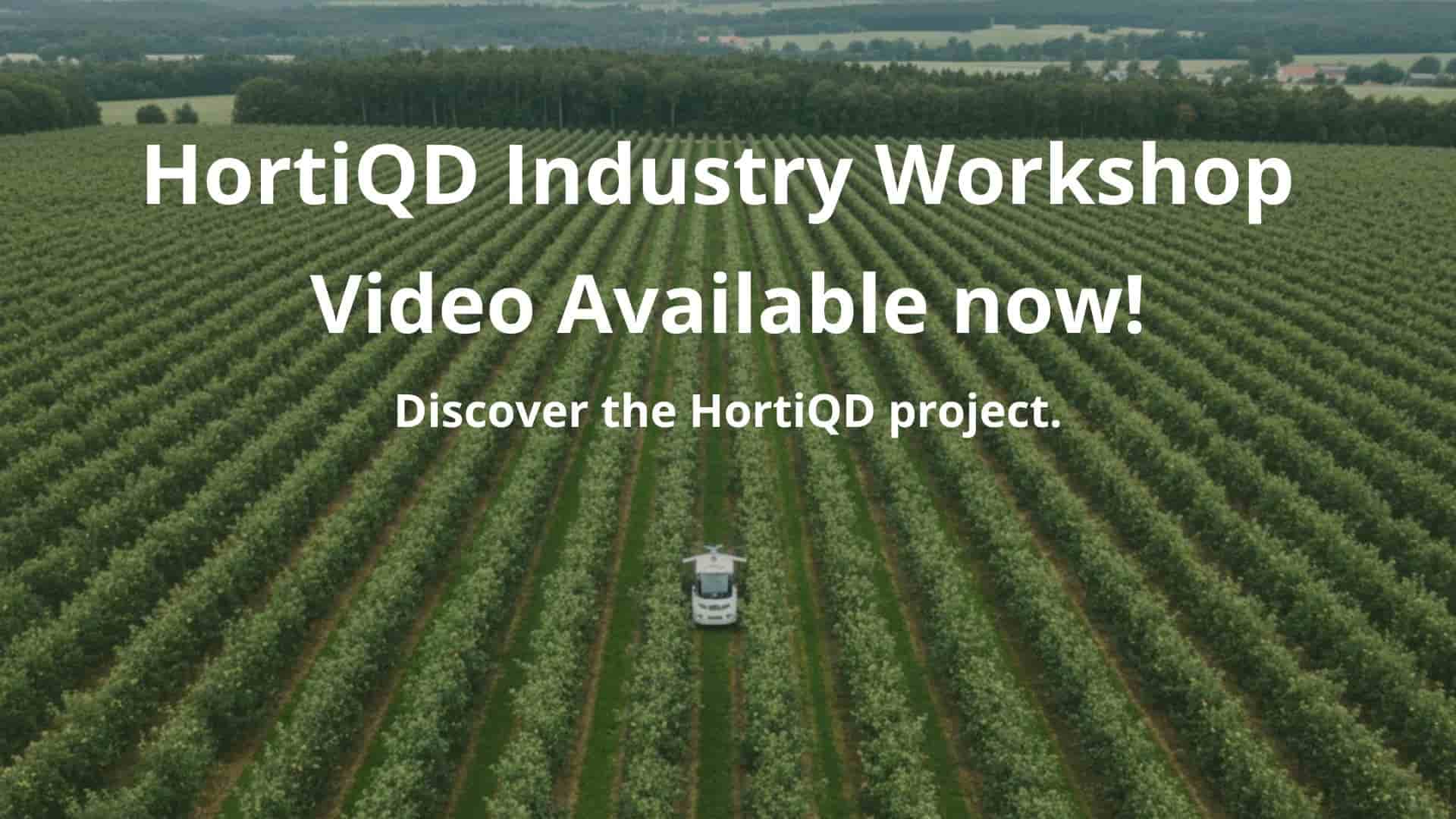
Smart farming and greenhouse monitoring
It already benefits from QD solutions to optimize light, stimulate growth, and precisely monitor key soil and environmental factors.
Infrared cameras for food sorting, security, medical imaging
Quantum dots replace toxic IR materials,improving sustainability and scalability. They can offer better resolution, sensitivity, and speed for industrial sorting and surveillance. Moreover, multiparametric QDs enable early imaging of complex diseases with safe clinical applications through bio-functionalization.


Eye-tracking and 3D sensing in AR/VR
Development of QD-OLED for AR/VR headsets, QDs for IR sensing and displays, and research on eye-tracking using QD-based IR illuminators.
Spectrometry in mobile devices
Quantum dots (QDs) enable highly sensitive and miniaturized spectrometers for mobile devices, thanks to their tunable optical properties and broad absorption range. Their integration improves accuracy in color analysis and chemical detection, making advanced spectroscopy portable and cost-effective.


Transparent sensors embedded in displays
Quantum dots enable highly efficient, transparent sensors integrated into displays by leveraging their tunable optical properties and high sensitivity. This allows seamless touch and environmental sensing without compromising screen clarity or design.


Leave A Comment